

Electricity Certificates
If you are a property owner and want to ensure that your electrical system is safe, an electrician can carry out the required tests on your electrical installation. They will also issue you an electricity certificate that shows the electricity has been tested to the correct standards and are safe for use.
National Electrical Code
The National Electrical Code is the standard for electrical wiring in offices, homes as well as other industrial and commercial buildings. It is continuously updated and was first released in 1897. This code is a vital component of the electrical industry and is a vital component in the safety of both employees and consumers.
This code is essential for electricians, as it allows them to ensure that their work meets the legal requirements. It will aid them in avoiding costly lawsuits and lower the risk of causing property damage or causing harm to others within the building.
This code covers the installation of electrical circuits such as wiring devices, equipment and equipment as well as guidelines for preventing fires and other hazards from occurring. It includes rules on the location of receptacles as well as other outlets as well as how they should be spaced to avoid overheating.
The NEC is a standard used throughout the world and regularly updated by the NFPA. It is designated as ANSI/NFPA70 by American National Standards Institute (ANSI).
It comprises an introduction as well as an index and nine chapters. Each chapter focuses on the rules, scope, enforcement and provides information specific to a particular situation.
For instance, the first four chapters discuss definitions and rules for installations circuits, circuits, and circuit protection methods, as well as materials and methods for wiring and general-purpose equipment. The last three chapters address special occupancies and equipment and additional requirements for communications systems as well as emergency systems.
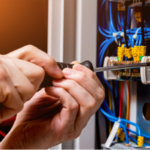
This code applies to both new construction as well as modifications or repairs to existing structures or premises. If an alteration, addition or repair results in the installation of electrical wiring which is in violation of the rules of this code, the structure must be destroyed and the new wiring removed.
In addition, if a new building is being constructed, all occupants must be informed that they need to comply to this code in order to receive an approval certificate for electricity. If this isn't done, the electrical company will shut off the power to the building and notify the owner that their application has been denied.
National Electrical Safety Code
The National Electrical Safety Code (NESC) is an established set of guidelines and standards that govern electrical installations. It is used in most states and Public Service Commissions in the United States. It is also used in a variety of jurisdictions across the globe.
The NESC sets the minimum requirements for safe electric supply and communication lines, equipment, and working methods. It is applicable to both public and private utility installations. The NESC is an open code that can be legally binding if a nation adopts it.
The NESC stipulates that electrical installations be kept at a certain distance from other structures, such as pools or houses. Because electricity poses an imminent threat to those who aren't aware about it or don't follow the required distances
When planning an installation, it is crucial to think about the kind of conductor and the wiring method that will be used as well as the materials and methods to protect the wires. NESC provides a variety of protection options that include wire covers and industrial cable protectors, which protect against heat, moisture, and dust.
This is particularly crucial when working with cables that could be exposed to ceiling surfaces or walls. This will ensure safety for your customers and employees, as well as other workers working in the building at any given time.
Other important considerations to take into account when working with underground or overhead utility lines include the proper method to ground and clear any energized equipment. The NESC offers a variety of ways to safely and effectively ground energized equipment and also ways to clear energized parts from the surrounding environment.
The NESC is an essential resource because it provides the minimum requirements for the safe installation of electrical lines and equipment on residential, commercial or industrial properties. The Institute of Electrical and Electronics Engineers publishes new editions of the NESC every month and keeps them up to date. The NFPA has handbooks available that correspond to each new edition of the NEC. These handbooks, which are approximately 1,500 pages include the Code as well as additional explanations and illustrations. They also provide cross-references within the code and to earlier versions of the code.
National Electrical Testing Laboratory (NETL)
The National Electrical Testing Laboratory (NETL), an US government research facility, is home to a plethora scientific and engineering talent. This includes researchers on its Pittsburgh, PA, and Morgantown, WV, campuses as well as their contract administrators, who oversee nearly 700 federally funded projects that are conducted by private sector research partners.
The NRTL is the brainchild of the United States Department of Labor (OSHA), who deemed it necessary to create a one-of-a-kind testing and certification program for certain products that meet the OSHA's OSHA standards. The NRTL has its own unique certified mark for certification that indicates product conformance to the appropriate safety standards for the product.
Even though it's limited to limited products the OSHA NRTL program proved to be the most effective way to ensure that manufacturers' products are safe to use in the US or Canada. This is especially the case if you're creating products for work and plan to sell them to customers or distributors in the U.S. The NRTL certification is also the most effective method to reduce your exposure to penalties and fines from local jurisdictions , also known as Authorities Having Jurisdiction.
Nemko has the experience and test labs that can handle the most complex NRTL-certified products. Our labs have been certified by NRTL to the highest standards. Our team has years of experience in safety and ensures that everything is safe from industrial equipment to medical devices to mobile phones. We can assist you through the certification process and ensure you get the most value for your money.
Canadian Electrical Code
The Canadian Electrical Code (CEC) is the standard reference document for the installation, maintenance and operation of electrical equipment. It is a guideline for electricians as well as manufacturers, construction professionals and mechanical and electrical engineers in the industry.
electrical testing certificate is a voluntary code that is ratified and legislated with or without modifications by regulatory authorities in every province or territory. The code is published three times each year and is updated regularly to reflect local conditions.
The Code stipulates guidelines to ensure the safety of electricity use. It also contains general technical requirements that all installations must be in compliance with. This includes proper lighting as well as ventilation, drainage and clearance from flammable materials.
Enclosures that contain motors and electrical equipment must satisfy certain requirements. This includes requirements for cables and conductors that are insulated, non-metallic raceway, and thermal insulation close to electrical equipment.
For more information, visit the CEC online for more details on these subjects. You can also go through our 12-hour live online course on the 2021 CE Code to learn more about the changes and how they will impact you!
The majority of aspects of electric safety are covered by the CEC. It is not intended to be an engineering specification or an instruction manual. It is intended to assist individuals in understanding their responsibilities under the Safety Codes Act and in keeping in line with the regulations applicable.
Since the CEC is a copyrighted document, it cannot be distributed without the permission of the Canadian Standards Association. This could lead to substantial costs for those who would like to distribute the document.
To ensure conformity to the Code Electrical equipment used in wet, hazardous or other normal environments must be listed by an approved approval organization. This means that the equipment has to conform to CSA product standards. If such CSA Standards are not available or are not applicable, equipment must be certified to ULC Standards. These standards are listed in Appendix A to the Code.